False Memory Machine

The search for something lost, yet memorized, can resolve to a finding that meets one’s initial expectations. A Hrönir, of the planet Tlön*, is an object of this kind. Once lost, it may be found by separate individuals—multiply duplicated—each finding the version of it they were most looking for. It is an object produced by the act of remembrance. Remembering the way it was; or the way one thinks, hopes, or wishes it were.

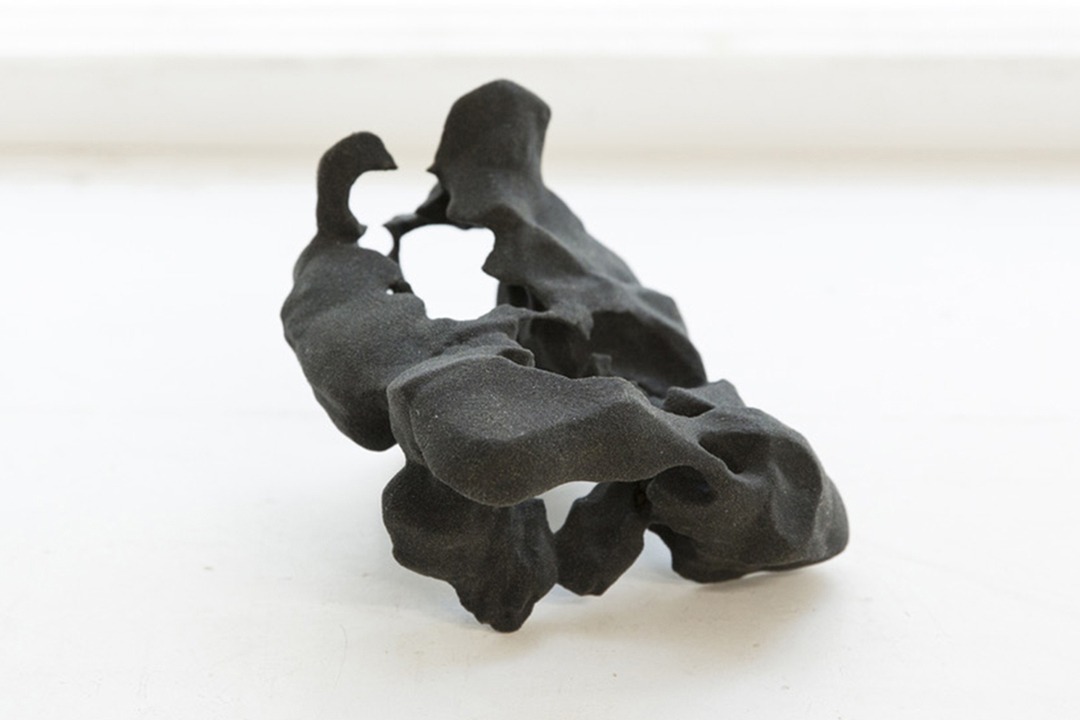
False Memory Machine is an algorithm that—in a process of remembering—produces artefacts of what could have been the case. The algorithm is trained by a set of one hundred and forty four objects that had in the past been meaningful for the artist. Objects connected to important life events and which provoke an emotional reaction. A horse toy; a eucalyptus leaf; a Chinese teapot; a mountain bike; a classical guitar; a left glove; an army rifle. From this process derives a possibility space, where new instances of objects can occur. The Machine gropes its way through this space just as a potter molds their clay, going through various forms, distorting, melding, blurring edges, at times coming across familiar details, and renders new objects real; never perfect, never true.

The false memories—presented as material things—resemble dug-up archaeological finds; fragmented, obscure, misshapen.

* Jorge Luis Borges, “Tlön, Uqbar, Orbis Tertius”

Woven Clay

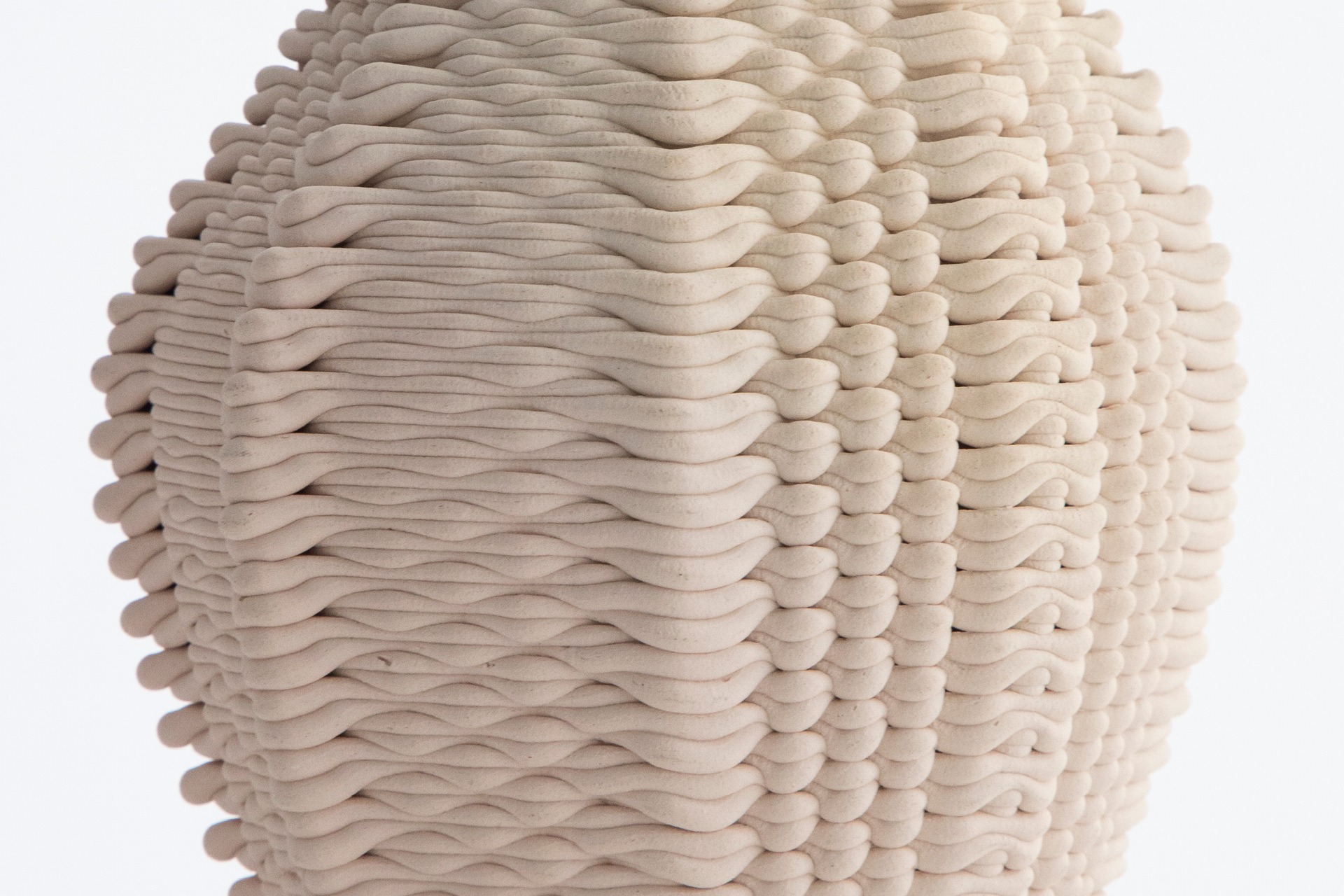
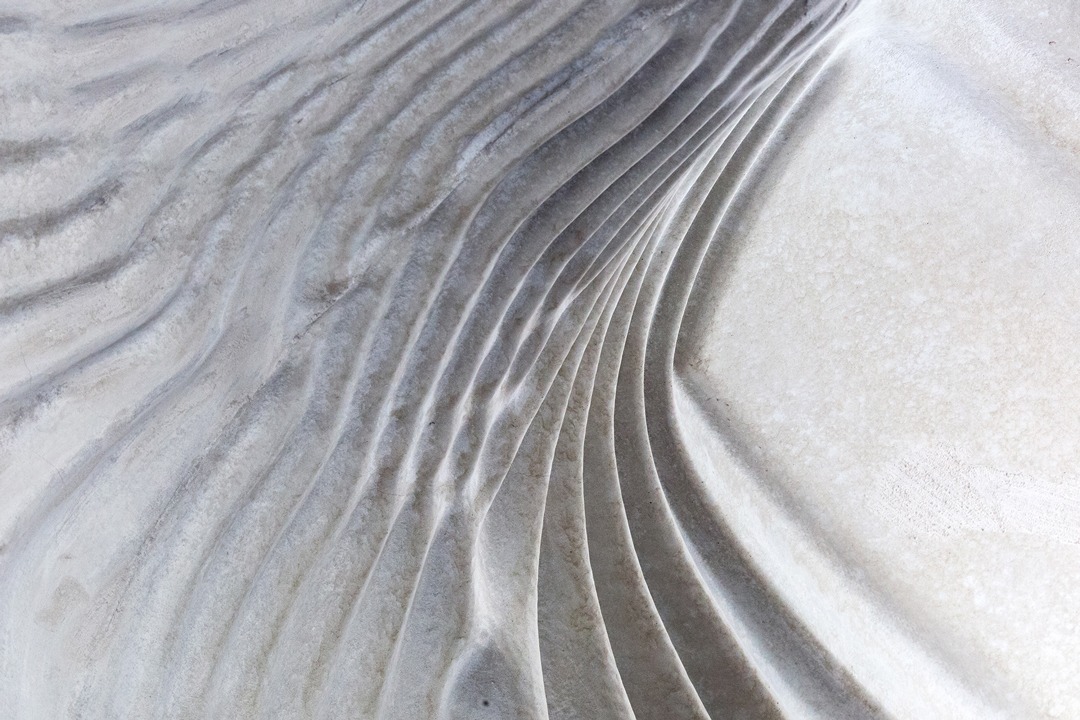
Woven Clay explores the possibilities of ceramic 3D printing by reimagining the object as an intertwining line in space—a thread. The ceramic pieces embody the essence of woven fabrics, knitting, or basketry. Their texture, rhythm, undulations, and repetitions, emerge from the interplay between a predetermined programmable toolpath and the unpredictability of clay, its plasticity and behavior under gravity loads.

Digital Grotesque

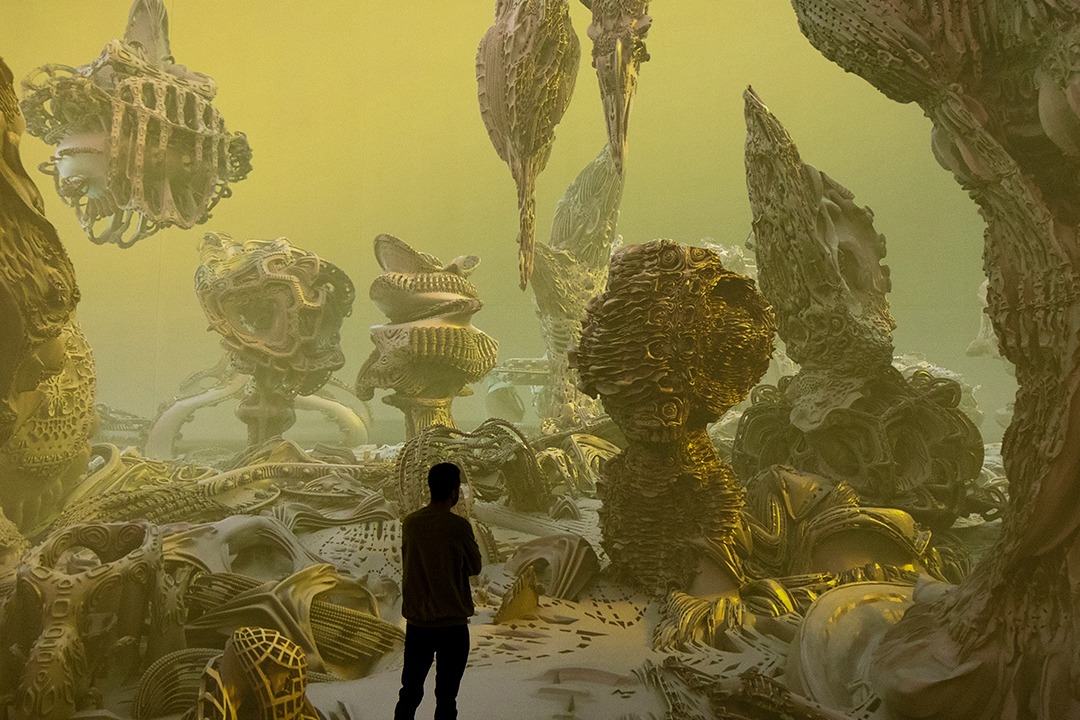
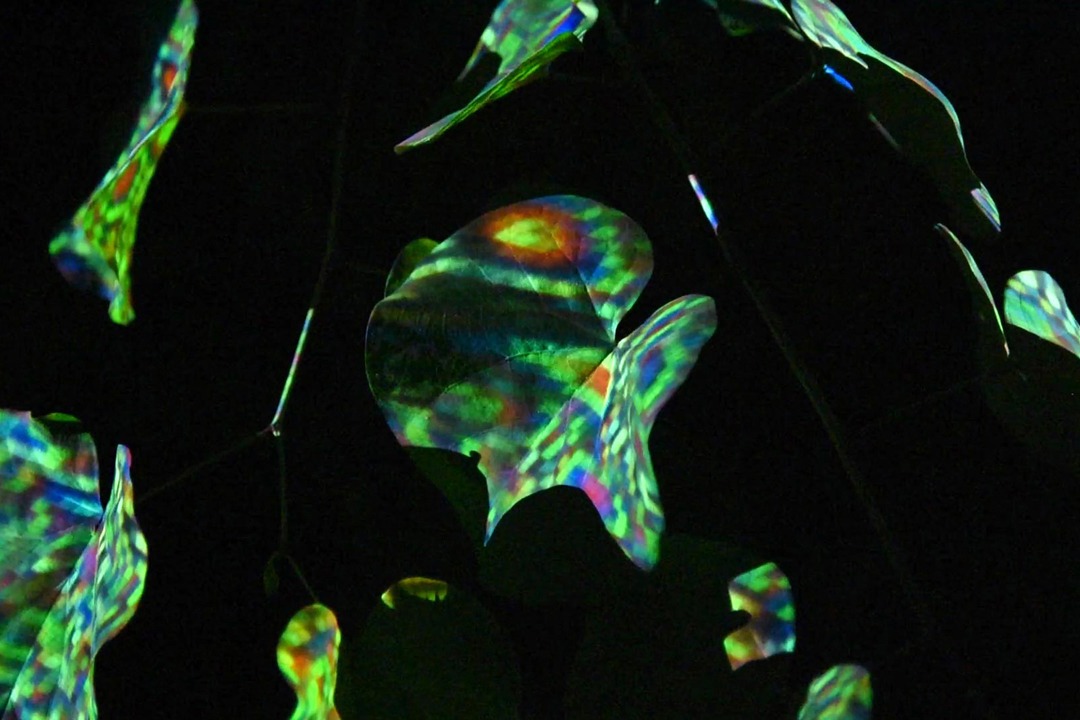
Digital Grotesque III studies the relationship between the designer and the computer, treating the latter as an active partner in the creative process, one capable of pushing the bounds of what is possible. By harnessing algorithms, the designer sets in motion and supervises digital processes.

The resulting piece emerges as an immersive forestlike architectural space, neither foreign nor familiar, morphologically engaging with the figure of the Renaissance grotto—a cave that inhabits a space between the man-made and the natural.

4-channel Immersive Video Installation.
9.0m x 9.0m x 5.5m.
7min loop.

Al Wasl Dome

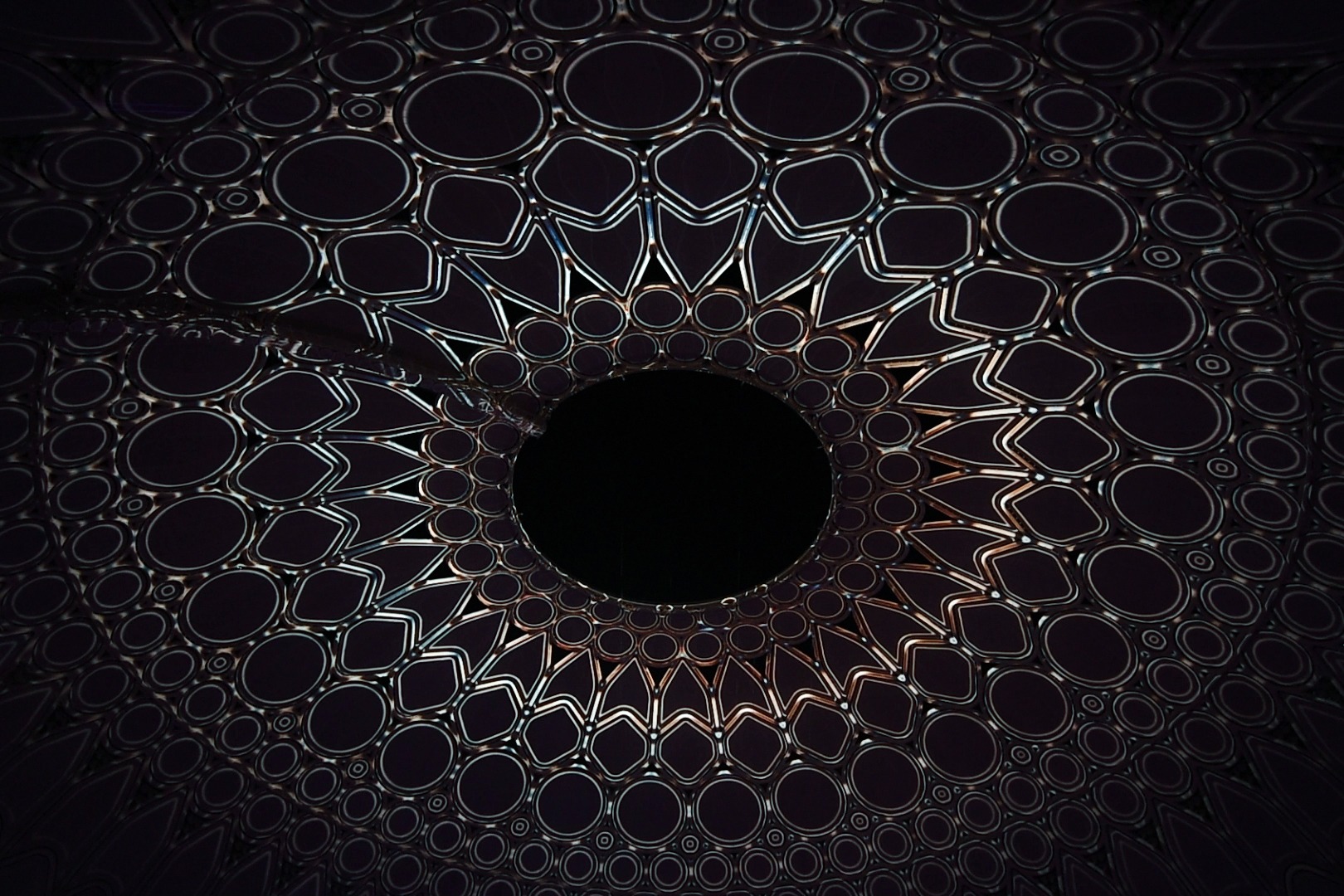
An immersive fulldome video projection for the Al Wasl Dome at the Expo 2020 Dubai.
The 360° projection show with 27.1 sound was created for the celebration of the National Day of the Republic of Cyprus.

With a domed trellis of 130 meters in diameter and a height of 67.5 meters, Al Wasl Dome is one of the largest 360-degree projection surfaces in the world. The fully immersive projection is driven by 16 different media servers, outputting to 252 projectors and 2530 LED lights.

Smart Slab

Smart Slab is the first concrete slab fabricated with a 3D-printed formwork. 3D printing overcomes the geometric limitations of traditional formwork fabrication methods. Furthermore, it enables the construction of integrative concrete elements with elaborate, free-form and highly detailed surfaces and smart construction details. 3D printing has the added benefit that geometric complexity and differentiation come at no additional production cost.

The 78-square-meter Smart Slab that is fabricated for the DFAB House, cantilevers over the S-shaped Mesh Mould wall and carries the two-story timber unit above it. The Smart Slab comprises eleven 7.4-meter-long segments which are prefabricated and then mechanically joined using post-tensioning cables.

The geometry of the Smart Slab is structurally optimized for its challenging load-case, involving cantilevers of up to 4.5 meters. The material is distributed in a hierarchical grid of curved ribs, which vary between 30 and 60 centimeters in depth. The 1.5 cm thick concrete fields between these ribs are domed to maximize stability and to minimize the amount of material needed. Consequently the slab only weighs 15 tonnes, almost 70% less in comparison to a conventional solid concrete slab.

Colorphyll

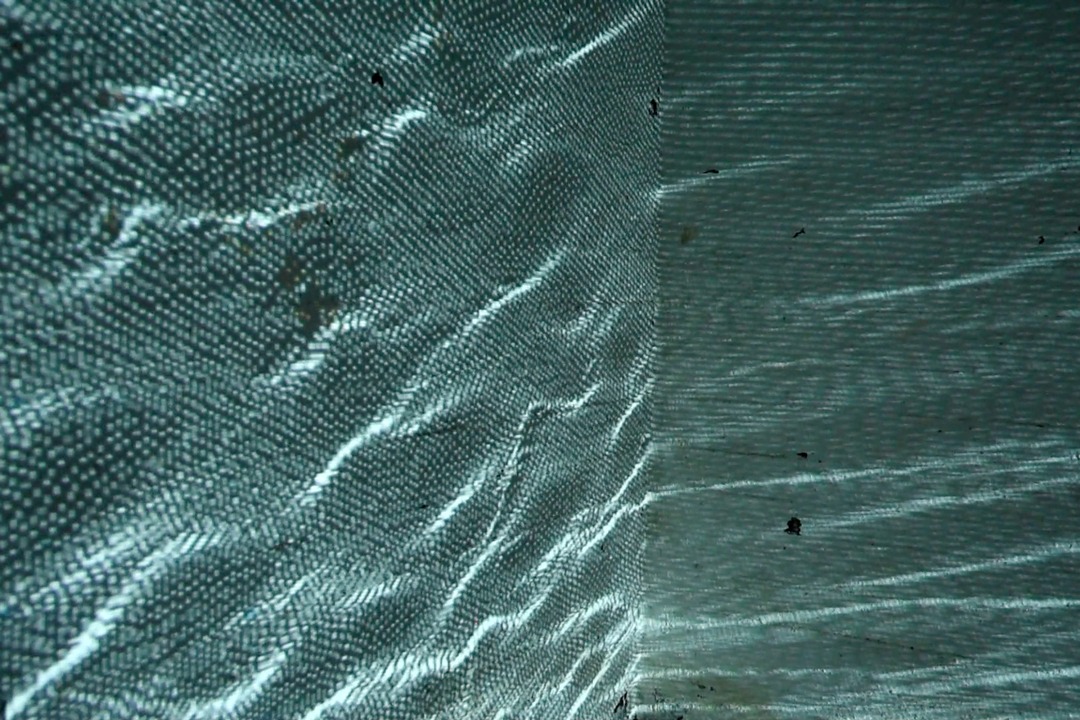
Site-specific single-channel video installation.
20 minutes 6 seconds loop.

Envelope

Algorithmic content created for Envelope II Festival at Testdrive, Nicosia [CY], December 2017.
A celebration of analog/modular synthesis and live electronic music, Envelope Festival presents various local artists to perform their latest work.

Live Music Performances by

White— Whirl-DOS + Uvglov
Green— αίθερ λίνα
Blue— Mihalis Sham
Red— elektroniki
Silver— Oswaldo III

The Irrational Instrument

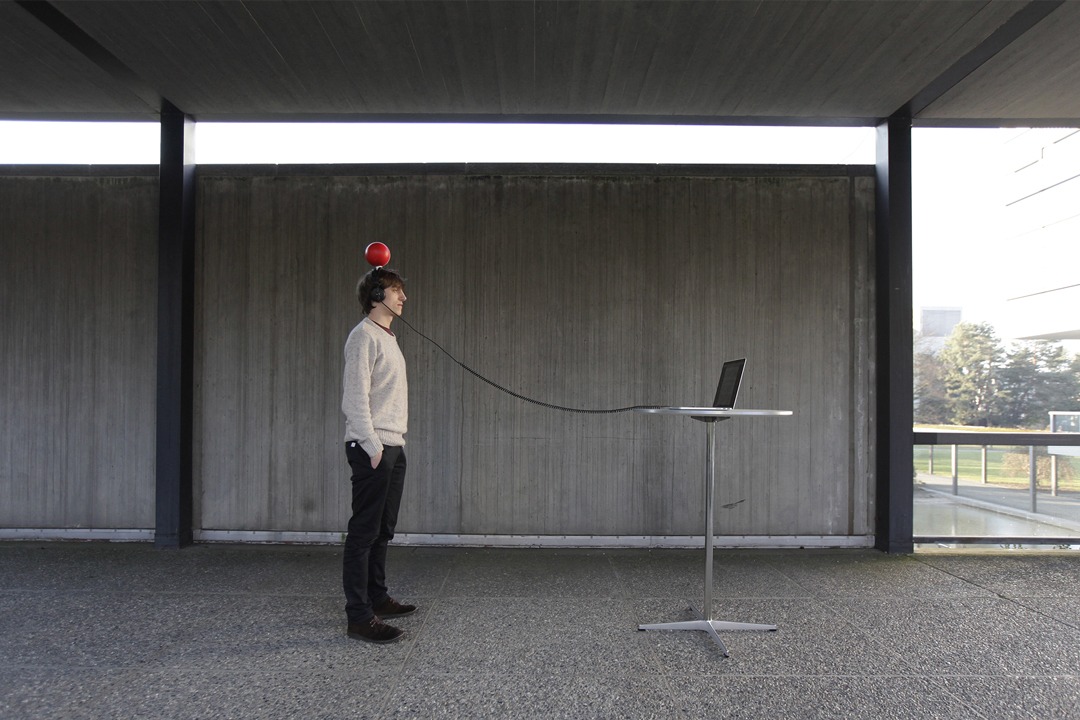
The Irrational Instrument is a narrative on continuity, as seen through the dipole of object and sound. By object and sound I refer to the object (as designed and manufactured geometry) able to produce a specific sound and inversely the sound (as experienced timbre) which can not be produced by any other than that specific object.

Moving across references by Dedekind, Leibniz, Deleuze, Badiou, the project examines the creation of three abstract machines which are trained by an initial set of existing objects (rationals) in order to create a symbolic space as receptacle of new unknown objects (irrationals).

Breaking down the input objects into numerical entities and working primarily with the Principal Component Analysis algorithm, a tool is offered to infiltrate the intermediate space of uncertainty, to design not objects but possibility spaces where populations of abstract objects are found. By drawing a line of flight, we stumble upon this open world; and it is a world inhabited by nomadic, familiar yet alien artifacts.

[original text excerpt] “The space within which this object emerges is not an empty space but it possesses laws (νόμους) while remaining a smooth space. It is an a priori shaped by the machine space, has intensities, pushes and pulls, areas of relaxation or of extreme density, valleys and mountains of less or more probability of existence. There, new objects can present themselves, can be summoned as fragile moments—or cases—of a field of smoothness.”

The House

“It all begins with a knock on the door, a blade of light cutting through the darkness of our own privacy. Every house, every place we call our own, is a limit and a protection at the same time, and every visitor entering our sacred ground is both welcome and imposing, friendly and aggressive. And yet, we still open the door. We respond to the relentless banging of Otherness on the threshold of Solitude, instinctively curious and unavoidably bothered by that nuisance and that discomfort caused by the presence of another human being in our own space, our own life. But as Virigina Diakaki says via one of the three actors that gave voice to her writings in The House, «We all love that little discomfort we feel every time someone imposes his limits on us».

Focused on a simple visit that turns into an absurd (and all too true) existential confrontation, this «original modern Greek work in theatrical audiovisual installation form, co-created by four young Greek artists», may very well be one of the most interesting pieces of theatre we have seen so far around these latitudes. By actually exploring those grey areas at the border of things, the quartet composed by musician/sound designer Alexis Retsis, lighting designer Christina Thanasoula, digital artist Demetris Shammas and the aforementioned writer, manages to offer a new form of expression in which the new and the old merge exquisitely, leading to an hybrid coexistence that is both convincing and enticing.

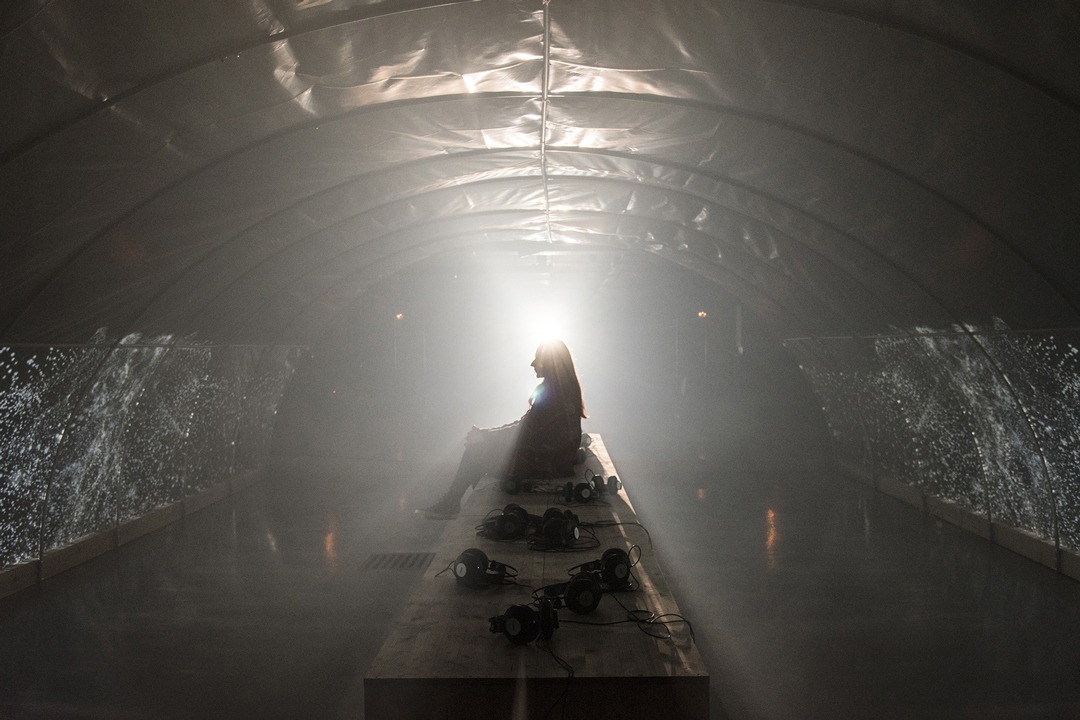
The audience, led by the hand into a foggy underground parking with neon lights flickering amongst the concrete pillars, sits on a simple bench and wears headphones. Silence surrounds us, until a soft music begins to play, and we are left to wonder what will come next. Thus the listener/voyeur, significantly placed at the centre of the space, slowly becomes aware that the play is about himself/herself, finding too many common traits with the man and the woman that whisper and scream to our ears. The House is an «allegorical story about the fake feeling of freedom», about all those strangers we let into our lives with reluctance just to end up loving and needing them, as long as they exonerate us «from the exclusive responsibility of existence». Indeed, how happy is the blameless people’s lot, when we delegate the very definition of ourselves to a partner, a husband, a wife, a fellow human being, and how miserable are all those who try to swim against the current, painfully trying to overcome the feeling of loneliness and dependence by looking inwards instead of outwards?

With violence reminiscent of Sarah Kane’s Blasted, Virginia Diakaki weaves a well-paced web of words that besiege the Self without giving it any rest, slapping and blinding it from the very beginning – showing no mercy for anyone, let alone for us. 50 minutes of pure psychological war that turn out to be a mere taste of what we do to each other and to ourselves every single day. 50 minutes of necessary extremes that put us all to shame for not being able to see how weak and sadistic we truly are. 50 minutes of gorgeously crafted theatre.”

text by Francesco Chiaro